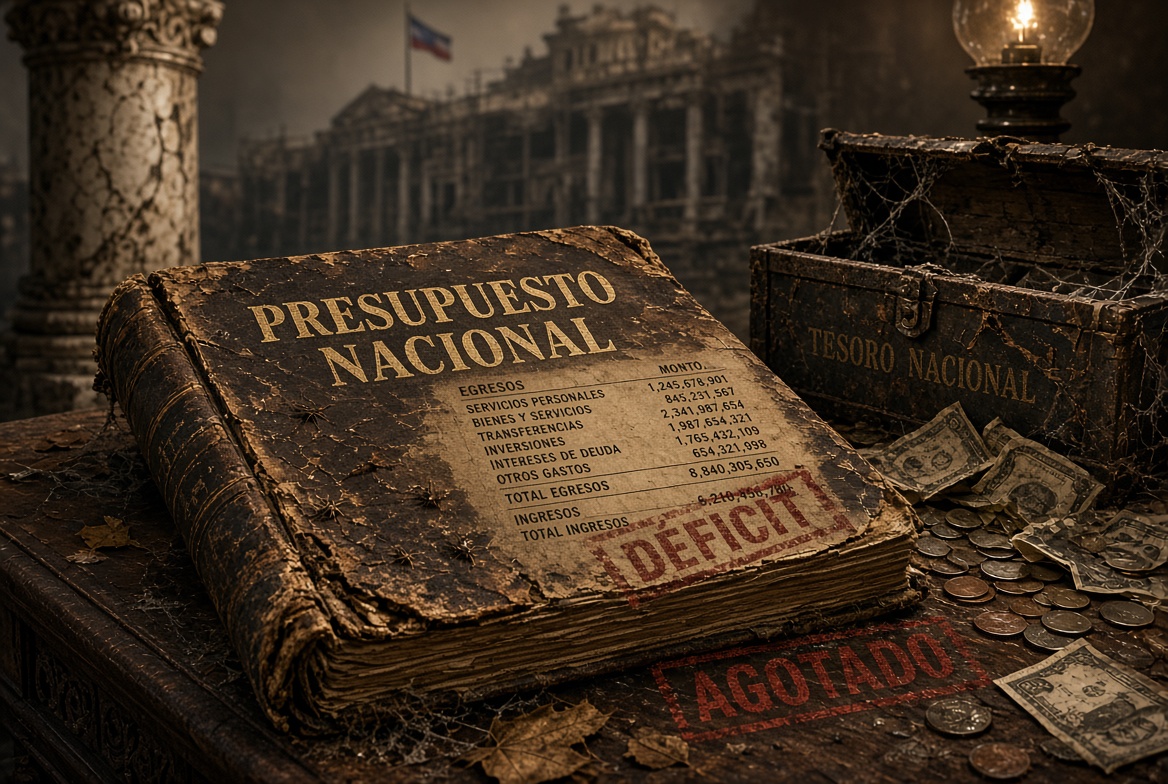
People who Stop Dreaming are Doomed to Obey

En el programa de esta semana, analizamos los peligros que enfrenta el mundo y las oportunidades que se abren para el futuro.
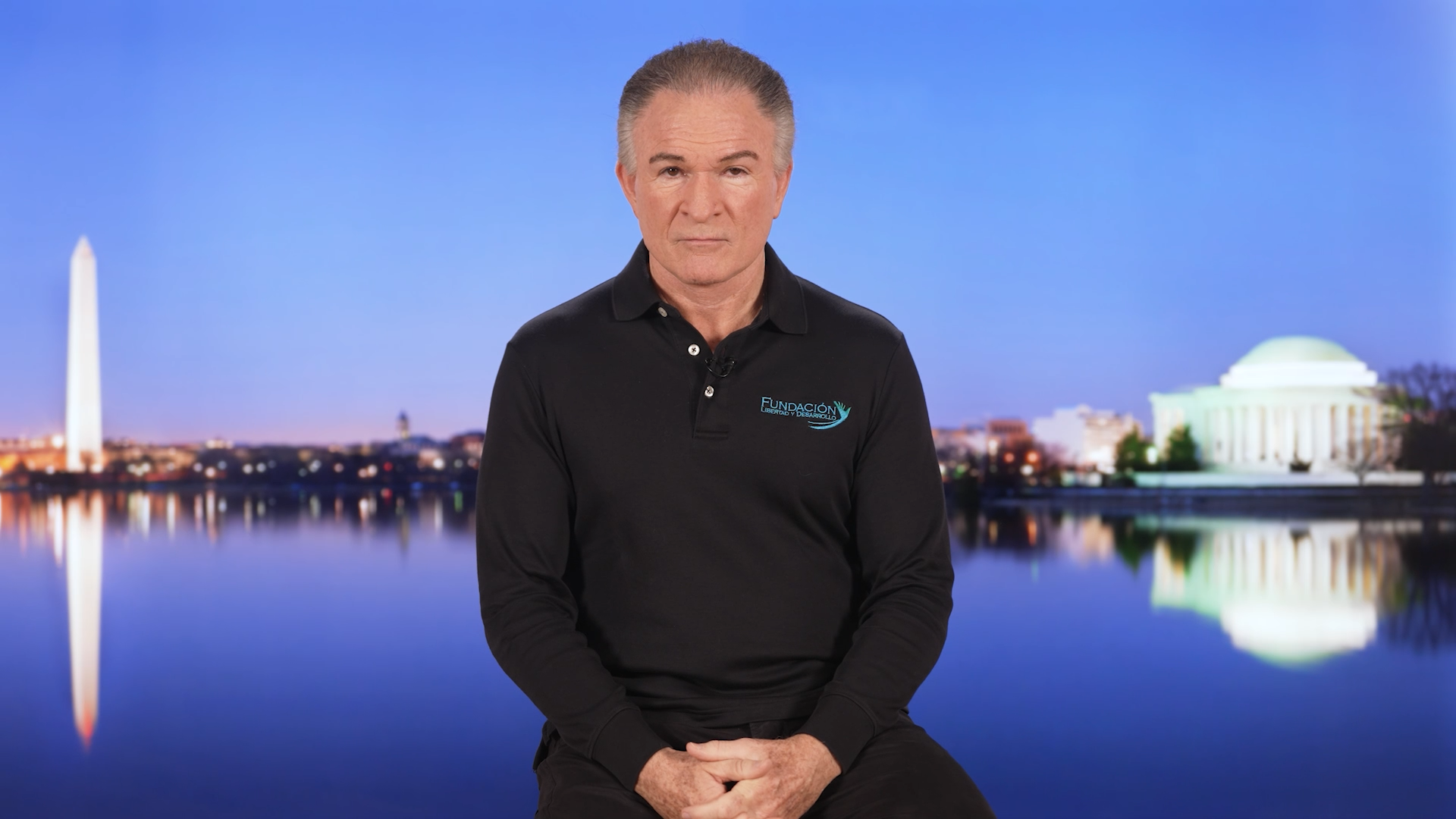 Dionisio Gutiérrez inició señalando que América Latina se ha acostumbrado a vivir “al borde del colapso y, sin embargo, seguir bailando”, y que 2026 nos encuentra con un escenario global tenso: guerras en varias regiones del mundo, élites distraídas y una economía internacional complicada.
Ante este contexto, señaló que “el mundo que nos rodea ofrece poco consuelo”. Mencionó que la guerra en Ucrania continúa mostrando “la capacidad del mal”, que en Medio Oriente “el fuego nunca duerme” y que China avanza “como un dragón con modales de diplomático y apetito de conquistador”, mientras Estados Unidos, atrapado entre crisis políticas, “dejó de liderar el mundo libre”. Además, advirtió que la inteligencia artificial “está en una carrera sin árbitro”, aumentando la incertidumbre global.
Sin embargo, Gutiérrez considera que América Latina intenta corregir su rumbo. Recordó que “sin democracia no hay convivencia y sin libertad no hay prosperidad”, y que algunos países están redescubriendo estas verdades fundamentales. Subrayó que la región vive marcada por gobiernos más atentos al poder que al ciudadano, y que Centroamérica continúa “congelada en sus propios flagelos internos”.
Por otro lado, señaló que a pesar de que las élites y muchos políticos siguen “esmerándose en hacer el ridículo”, no todo está perdido: las sociedades están más informadas y los jóvenes comprenden que “la libertad no es un eslogan, sino un deber”. También destacó la presencia de líderes “escasos pero valientes” que denuncian la corrupción, los abusos y la incompetencia “sin pedir permiso al populismo ni perdón al autoritarismo”, porque saben que “los pueblos que dejan de soñar están condenados a obedecer”.
Para finalizar, Gutiérrez afirmó que, aunque el panorama es turbio, conviene ejercitar “no la esperanza que espera milagros, sino la que construye con esfuerzo”. Recordó que “América Latina no está destinada al fracaso; simplemente, tiene una relación complicada con el éxito” y llamó a que 2026 nos encuentre despiertos, exigiendo gobiernos con honestidad y visión, porque el futuro “sigue ahí, esperando a quien se atreva a imaginarlo”. Imaginarlo mejor, sigue siendo “el primer paso para construirlo”, aseguró.
En el siguiente segmento, Dionisio Gutiérrez entrevistó a Manuel Llamas, director del Instituto Juan de Mariana, sobre los peligros que enfrenta el mundo y las oportunidades que se abren para el futuro.
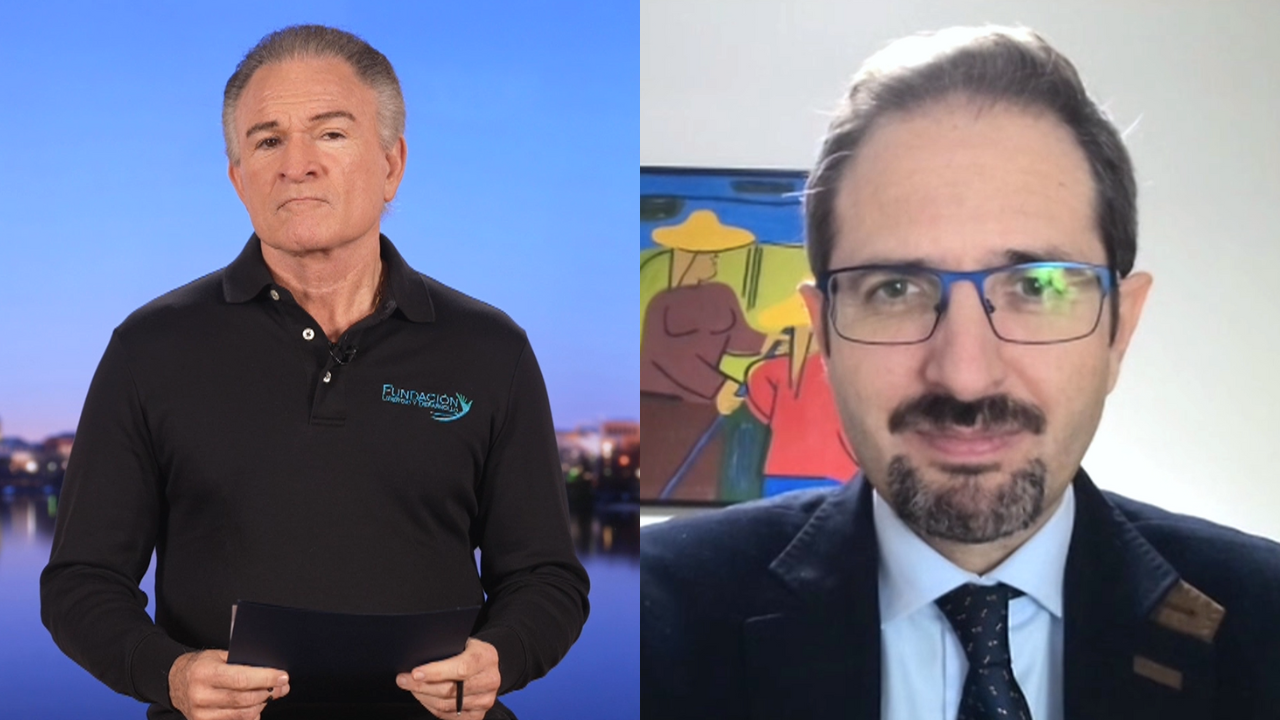 Llamas inició advirtiendo que, de cara a 2026, persisten señales de alerta para la región: “hay riesgos evidentes: el Estado de derecho, la autocracia, el intervencionismo público”. Sin embargo, añadió que también existen “motivos más que de sobra para la esperanza”, pues observa “un cambio de rumbo claro de la mano de nuevos líderes” y de un ideario liberal-conservador renovado.
Sobre el clima internacional, Llamas considera que 2026 traerá “otro año de titulares apocalípticos”, pero no un colapso. Resaltó que la humanidad vive “el mejor momento de su historia” gracias “a la extensión del capitalismo, la propiedad privada y las ideas de la libertad”, motivo por el cual se declaró “muy optimista respecto al futuro del mundo a medio y largo plazo”.
Además, recordó que en el terreno geopolítico, los conflictos bélicos “son una constante en la historia del ser humano”. Indicó que la guerra en Ucrania se mantiene viva porque Rusia “se ha encontrado con una resistencia muy fuerte”, lo que acabará “minando el liderazgo de ese autócrata que es Putin”. Sobre Oriente Próximo, afirmó que el acuerdo alcanzado en Gaza es “endeble”, pero confía en que sea duradero.
Respecto al ámbito político en Hispanoamérica, Llamas sostuvo que existe “un cambio de rumbo” profundo. Señaló que el ideario liberal-conservador estaba huérfano “desde la desaparición de Margaret Thatcher en Reino Unido o de Ronald Reagan en Estados Unidos”, pero que ese referente “ha nacido precisamente en Hispanoamérica, de la mano de Javier Milei”. A su juicio, se trata de “un cambio estructural, sociológico y de largo plazo”.
Sobre las élites de la región, lamentó que “algunos pecan de ignorancia” y subrayó la importancia de la “batalla de las ideas”, que debe librarse con “convicción, valores y honor”, y no con “el juego del engaño”.
Si tuviera que describir el espíritu de Iberoamérica en una sola palabra, Llamas diría: “Rebeldía”. Afirmó que la región “está renaciendo de sus cenizas” y abrazando “las ideas de la libertad, de la propiedad privada, del Estado de derecho, de la división de poderes, de la democracia representativa, del capitalismo”. Aseguró que el futuro de Hispanoamérica es “brillante” y “esperanzador”.
Sobre los riesgos derivados de países como México y Brasil, Llamas advirtió que “el gran peligro es la victoria de la autocracia”, la erosión del Estado de derecho y la deriva hacia “la dictadura”. El segundo riesgo, agregó, es que terminen convertidos en “narco dictaduras” debido al peso del terrorismo y las mafias del narcotráfico.
Para finalizar, Llamas afirmó que los liberales deben “dar las batallas en todos los frentes”, porque la lucha por la libertad “nunca termina”. Insistió en que “no hay políticas liberales sin políticos liberales” y que es necesario mantenerse “siempre en el combate político, en el combate de las ideas”.
Para ver el programa completo, haga clic aquí.
 Vara inició advirtiendo que el mundo ha regresado a una lógica en la que la fuerza vuelve a determinar los intereses de las potencias. Indicó que vivimos un tiempo en el que los equilibrios del pasado se han erosionado y donde “la fuerza vuelve a ser el criterio con el que las potencias quieren imponerse a los intereses de los demás”.
 Moncada explicó que la región vive “una situación muy grave”, con niveles de criminalidad comparables a los de “una guerra civil”. Señaló que la impunidad es “uno de los principales incentivos del crimen organizado”, pues “cuando no hay castigo creíble y las ganancias siguen subiendo, la violencia no tiene consecuencias”.
 Por su parte, Breda explicó que América Latina enfrenta “una combinación letal de factores”: altos niveles de desigualdad, corrupción, ineficacia institucional y una amplia disponibilidad de armas. Señaló que las economías ilícitas, como “el mercado de las drogas, la minería ilegal y la extorsión”, ofrecen incentivos que “alientan la participación y el control de los grupos criminales”.
 Horst inició reconociendo el retroceso de Chile en los indicadores políticos, económicos, de seguridad e institucionales. Sin embargo, espera que “en las próximas elecciones vuelva a primar una mirada de esperanza y de un Estado que abrace el desarrollo y que permita recuperar las bases del progreso económico y social”.
  Por su parte, Cordero inició expresando que Chile no quiere continuidad, sino cambio. Por esa razón, y por la mala evaluación del gobierno de turno, las posibilidades de Jeannette Jara son muy bajas.
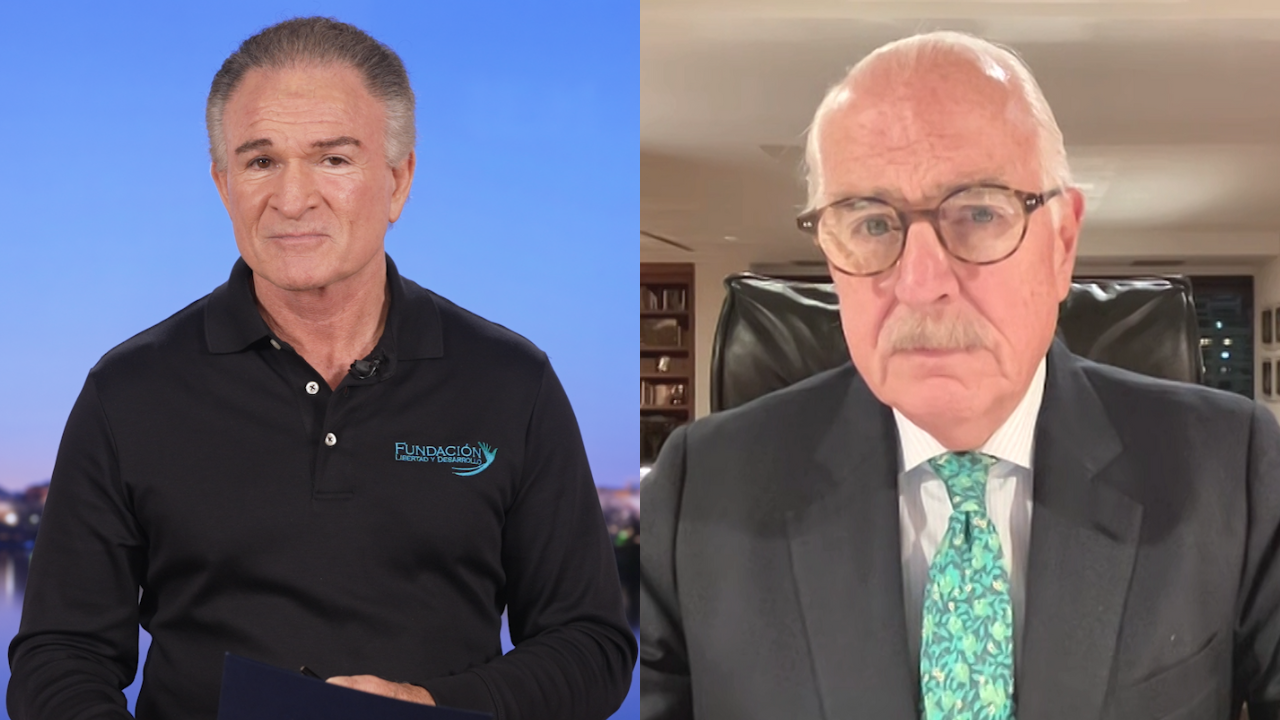 Pastrana inició señalando la gravedad que representa que Gustavo Petro esté señalado de colaborar con el crimen y la corrupción: “Es un presidente que hizo el pacto denominado El Pacto de la Picota, en el cual fue a hablar con narcotraficantes para pedir votos. Su hijo también denuncia que en la campaña hay recursos del narcotráfico. [Además], le han quitado la visa [de Estados Unidos] y está en la lista Clinton”. Ante este contexto, está en duda si Colombia será sancionada con tarifas, aranceles al café y a las flores, lo cual afectaría a más de 500 mil familias.
 Dionisio Gutiérrez inició con una reflexión sobre la crisis que vive la región: “América Latina, tierra fecunda en historia, cultura y recursos, vive años de carencias y amenazas. Somos una región que soñó con libertad, justicia y progreso, pero hoy enfrenta autocracias disfrazadas ante la mirada cansada de élites indiferentes, ciudadanos resignados y una clase política que ha hecho del poder corrupción e impunidad”.
 Salinas expresó que el contexto actual sugiere un panorama complicado para el futuro próximo de la región. Sin embargo, no descarta un optimismo cauteloso: “Vemos cómo se ha desenmascarado el autoritarismo en Cuba, Nicaragua y Venezuela”.
 Por su parte, Arias aseguró que América Latina necesita creer y aspirar a mejores instituciones. Sin embargo, indicó que los ciudadanos también tienen un componente de responsabilidad de lo que ocurre: “Muchas veces no se elige correctamente. Por ejemplo, en el caso venezolano ha tomado más de dos décadas darse cuenta de que estamos frente a un régimen criminal”.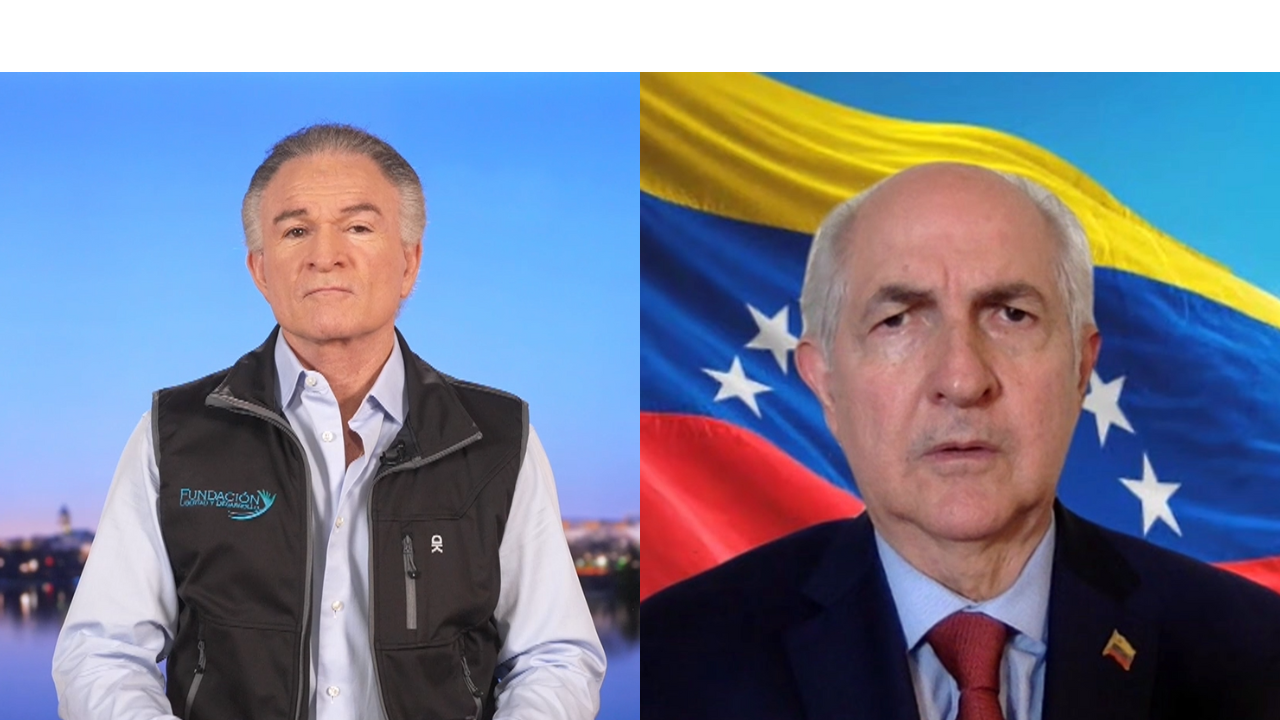
 Dionisio Gutiérrez inició recordando que “hay momentos en que la historia se detiene para honrar a quienes, sin armas ni ejércitos, han enfrentado a los tiranos con el poder de la verdad y la dignidad”. Hizo referencia a una mujer valiente, honorable y luminosa: María Corina Machado, quien ha consagrado su vida a luchar por la libertad y la democracia de Venezuela.
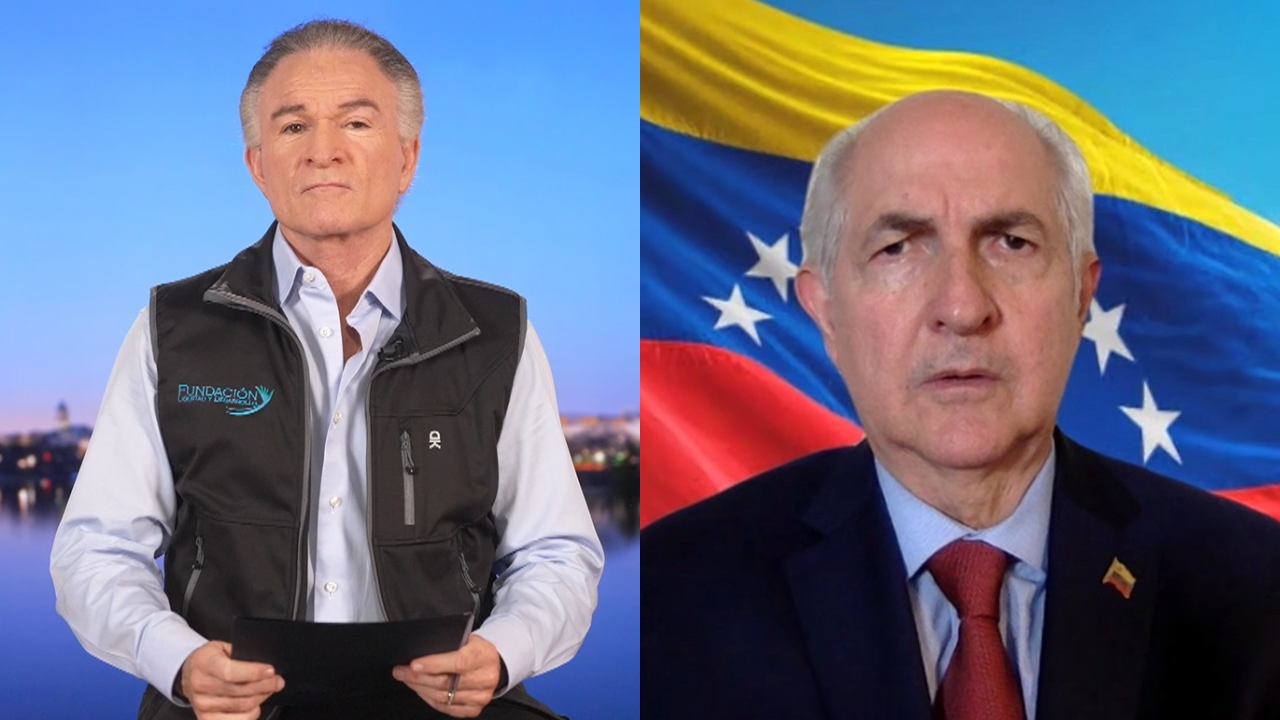 Ante la posibilidad de que las fuerzas armadas en Venezuela estén divididas y disminuyendo su apoyo a la dictadura, Ledezma recordó que en las elecciones del 28 de julio de 2024, los militares votaron y “en todas las mesas de votación donde ejercieron su derecho al voto ganó la fórmula de Edmundo González y María Corina Machado con más del 70 %”. Agregó que el apoyo que le queda a Maduro es la élite militar corrupta, pero que esta “nada tiene que ver con los soldados que, de manera general, están apostando a un cambio profundo en Venezuela”. Además, indicó que la transición que Edmundo González y María Corina Machado ofrecen es una de carácter pacífico, en la cual las fuerzas armadas se pueden poner al servicio de la democracia: “Se toman en cuenta los nombres de muchos militares que le han dado la espalda y le van a dar la espalda a esta narcotiranía”.
 Dionisio Gutiérrez inició recordando que hubo un tiempo en que Argentina fue sinónimo de prosperidad. Tierra de inmigrantes y de trabajo, de universidades admiradas y de una cultura que deslumbraba. Una nación rica, moderna, que inspiraba esperanza en América Latina. Sin embargo, la fuerza del peronismo se disfrazó de justicia social y terminó siendo una maquinaria de poder y destrucción.
 Ghersi inició recordando que la construcción de la democracia y el Estado de derecho es un “proceso evolutivo”, donde siempre habrá confrontación. Sin embargo, la clave es limitar el poder a través de la ley. Si logramos esto, podremos controlar el uso del poder a pesar de caudillos de izquierdas o derechas, aseguró. Además, expresó que a pesar de la evidencia que demuestra que países con gobiernos populistas registran menor PIB per cápita, más deuda e inflación a largo plazo, las personas siguen eligiéndolos por “la magia de la palabra”. Es decir que “la gente cree más en un sueño que en la realidad”.
 Dionisio Gutiérrez inició recordando que cuando un gobernante “es incompetente, corrupto y cómplice de grupos criminales, no es simplemente un mal administrador: es el sepulturero de la democracia. Es quien hace la diferencia entre vivir en un Estado de derecho o en una república secuestrada”.
 Raisbeck indicó que estamos presenciando el regreso de la violencia política. En Colombia, donde él participó como candidato en elecciones en los últimos años, “se pensaba que ya se había superado esto”. Sin embargo, el asesinato de Miguel Uribe Turbay hace poco meses demuestra lo contrario, añadió. Aseguró que este fenómeno se ha dado en distintos países, como en Estados Unidos.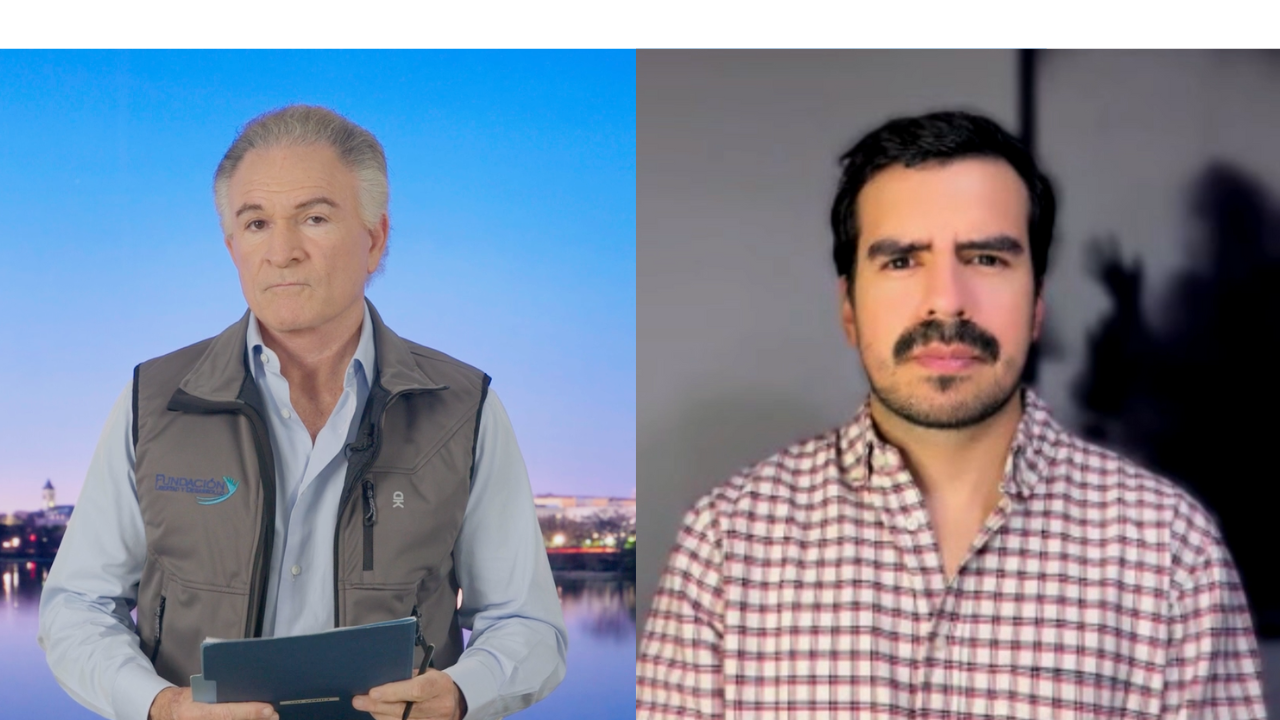
 Dionisio Gutiérrez inició alertando sobre una amenaza que trasciende fronteras: el riesgo que enfrenta la democracia en América Latina con las próximas elecciones en Bolivia. Advirtió sobre el avance de figuras autoritarias que hoy pretenden disfrazarse de demócratas.
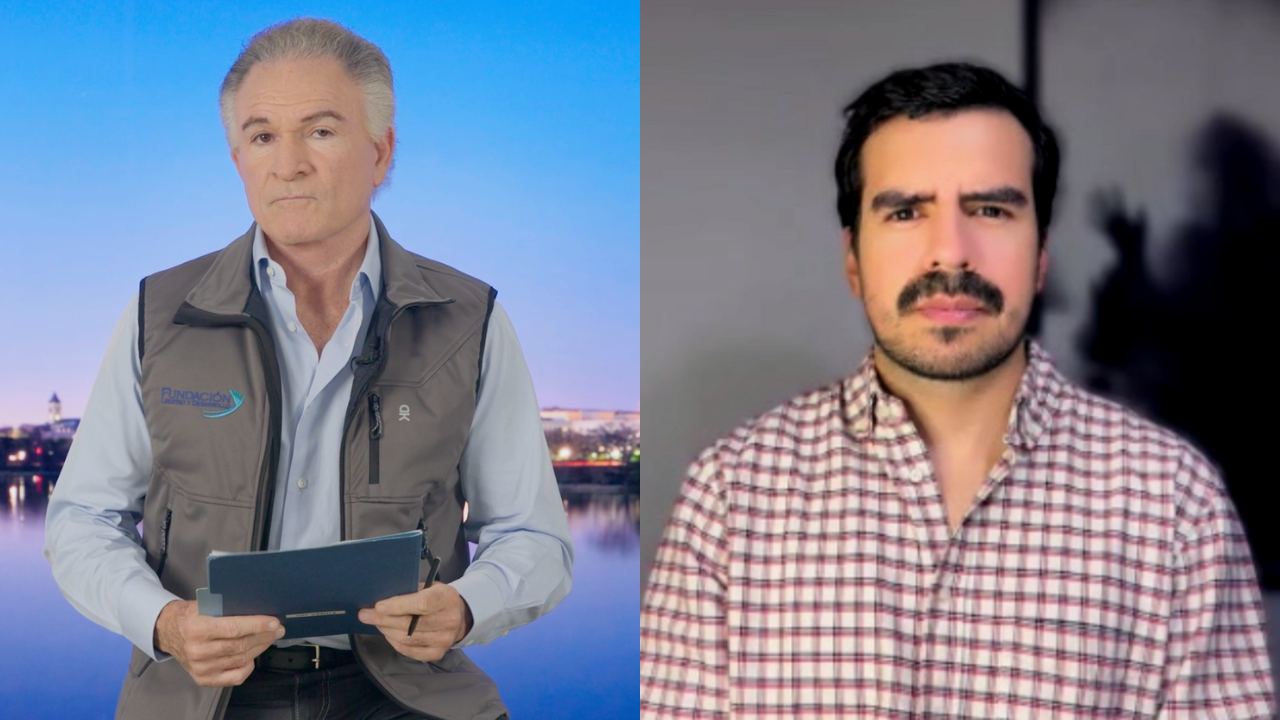 Bajo el contexto de las elecciones en Bolivia, y la candidatura del binomio Paz-Lara, Avendaño señaló que, a su parecer, la importancia de dicho país en la región se subestima: “[Lo que pasa en] Bolivia tiene implicaciones en la seguridad hemisférica de la región, en la dispersión o contención del crimen organizado. Es un foco central del narcotráfico y se venía potenciando de la mano del MAS”. Aseguró que la única esperanza y garantía de que Bolivia sea un aliado en la lucha contra el narcotráfico en la región es que gane Tuto Quiroga.